



Yeast Beta-glucans
What Is Yeast Beta-glucans?
Yeast Beta Glucan (YBG) is a naturally occurring complex polysaccharide (aka carbohydrate) that is a type of fiber. YBG is derived from the cell walls of baker's yeast which is scientifically known as Saccharomyces cerevisiae1.
YBG "primes" the body's immune cells by activating and enhancing various immune cells*2-5. This in turn supports a robust immune response to combat infections and promote overall immune health.
YBG, when incorporated into the diet, has been shown in clinical studies to reduce the incidence and symptoms of Upper Respiratory Tract Inflections (URTIs)3,4. Individuals, particularly those who are more susceptible to URTIs, had fewer and less severe episodes.

Beta glucan can be widely found in various organisms in nature.It should be noted that glucans from different sources have different structures,physiological activities and immune regulation capabilities.

Food Additives Yeast Beta Glucan
Yeast Beta Glucan is a functional polysaccharide-β-glucan which derived from yeast cell walls of Saccharomyces cerevisiae.It is with 1, 3-D-glucan as main chain, 1, 6-D-glucan as branch.

Brewers yeast beta glucan is a kind of polysaccharide, β-glucan, which exists in yeast cell wall and has immune-enhancing activity. It is the main effective substance for them to play a health care role.

Yeast glucan can stimulate and enhance the phagocytic activity of NK cells, macrophages and other immune cells, stimulate the release of interleukin to enhance the body's ability to defend against harmful substances, and can effectively improve human immunity.
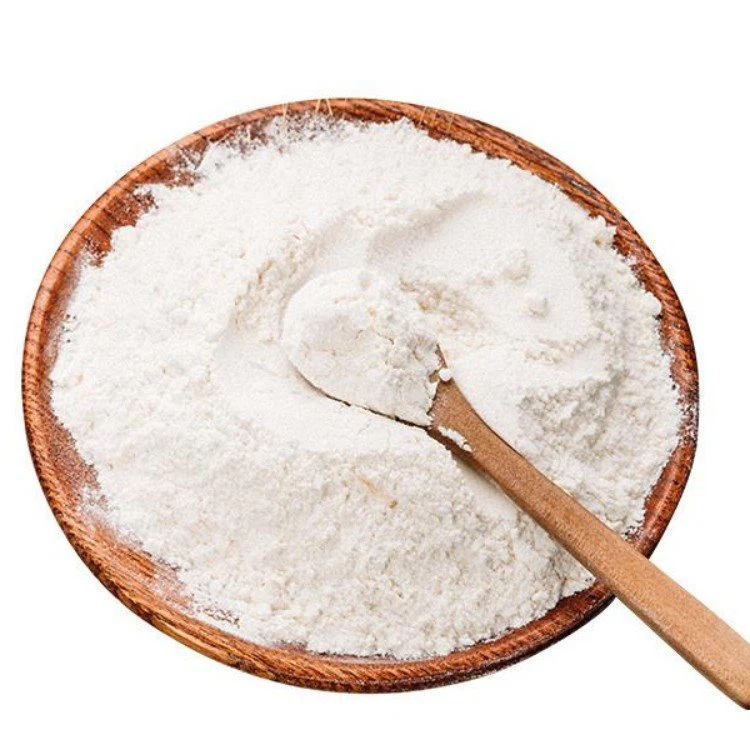
Yeast derived beta glucan, also known as yeast beta glucan. As a kind of beta glucan polysaccharide, It has a high molecular weight (several thousands to hundreds of thousands) and exists in the mucus secreted by some microorganisms during the growth process.

Yeast glucan is a kind of polysaccharide, β -glucan, which exists in the yeast cell wall and has enhanced immune activity. Dextran is widely found in various fungi and plants, such as shiitake mushrooms, Ganoderma lucidum, and oat.

Yeast glucan is a functional polysaccharide derived from the cell wall of Saccharomyces cerevisiae. with beta 1 3 glucan as the main chain,beta 1 6 glucan is a branched chain.

Beta glucan can be widely found in various organisms in nature.It should be noted that glucans from different sources have different structures,physiological activities and immune regulation capabilities.

Yeast Beta glucan or beta 13 16 d glucan is immune polysaccharides in cell wall of yeast. Yeast Beta Glucan is produced by modern bio-engineering technology through autolysis, enzymolysis, Cell-wall breaking, refining and spray drying.
Advantages of Yeast Beta-glucans
Increased resistance against microbial infection
As more antibiotic-resistant strains of bacteria continue to emerge, beta-glucans offer a sustainable solution. These glucans activate macrophages, which are a key component of the non-specific immune system, improving the animal's ability to defend against microbial infections.
Boosting the immune system
Since yeast beta-glucans help to activate both innate and adaptive immune systems, they help to improve the animal's overall immune status. From newborn animals with immature immune systems to fully-developed animals that require extra immune support, beta-glucans are the ideal supplement.
Improved gut health
Beta-glucans promote gut health in animals by acting as prebiotics. They can serve as a fibre source for beneficial gut bacteria, helping to maintain a healthy balance of microflora in the digestive system.
Improved growth performance
In certain animal species, including poultry, pigs, ruminants and fish, supplementation with yeast beta-glucans has been associated with improved growth performance. Increased feed intake, enhanced weight gain and improved feed efficiency all lead to better overall growth performance.
Enhanced vaccine response
Yeast beta-glucans are well known to be useful vaccine adjuvants, meaning they help to boost the response of the adaptive immune system after vaccinations. Yeast beta-glucans have been demonstrated to increase antibody titers after vaccinations.
Why Choose Us
Quality assurance
We have a perfect quality assurance system and a sound control system, strictly controls all links in the industrial chain such as raw material selection, product r & d, production management and channel sales.
Good service
Nanjing tessin biological with sincere attitude, as always to provide customers with high quality products, satisfactory service. We insist on producing high quality green products for animal and human health.
Technical team
The company has a professional technical team composed of highly educated and high-quality talents. The members are young and energetic, innovative and willing to meet challenges.
Fast delivery
We have signed agreements on strict transportation terms with transportation companies. Strengthen the supervision of storage and transportation. Make the products arrive at the destination safely and quickly.
Why Do People Take Beta-Glucans
Beta-glucans made from yeast may help lower cholesterol. Studies have shown that they may slightly lower total cholesterol and LDL ("bad") cholesterol. However, they do not seem to affect HDL ("good") cholesterol and triglycerides.
Beta-glucans have been studied in people with certain types of cancer. For example, one study showed that combining a type of beta-glucans called lentinan with chemotherapy can help people with gastric cancer live longer. More research is needed to see how effective it might be.
Studies also show that beta-glucans may help people with cervical and head and neck cancers. They may also increase survival time in some people with advanced cancers. Again, more studies are needed.
Beta-glucans do not seem to directly kill cancer. However, scientists think they may help your immune system better fight tumors and bacteria.
What Are the Differences Between Beta Glucans?
Oats. Mushrooms. Yeast. It sounds like a grocery list for a trendy bistro. What all these ingredients have in common is that they are types of beta glucans. But the similarities end there. Not only are these three types different on a molecular level, but they have differing effects on the body as well. Although each of these types of beta glucans may provide health benefits, the benefits differ, depending on the type of beta glucan.
Oats
Lorem ipsum dolor sit amet consectetur adipisicing elit.Oat-based beta glucans are notable for promoting heart health and helping manage LDL (bad) cholesterol. But scientific evidence does not strongly support this type of beta glucan for enhancing immune system function. So while keeping your heart functioning and cholesterol levels in check are important in preserving health, oat beta glucans can't help ward off threats to immune health.
Mushrooms
Although mushroom beta glucans have been shown to have immune health benefits, research indicates that their potency is lower than that of certain well-studied baker's yeast beta glucans. Because there are countless undiscovered species of mushrooms-and among the known types, research on benefits is mixed-they may not be the best overall choice for immune support.
Yeast
Yeast-derived beta glucans usually originate in either baker's yeast or brewer's yeast. Even though both are beta 1,3/1,6 glucan from Saccharomyces cerevisiae, the source matters-the beta glucans extracted from the cell walls of baker's yeast have a different molecular pattern from that of brewer's yeast, which can influence the immune-modulating abilities of the final product. Research supports the immune-modulating properties of baker's yeast beta glucan-but not all strains are the same.
Food
Used as thickener, water-holding agent and emulsifier in seasonings, desserts, dairy, bakery and other foods.
Healthcare
As the raw material of health food and medicine, it is used to enhance immunity, resist radiation, regulate blood lipids, and assist in the treatment of tumors.
Skin care
In skin care, shampoo, bath, sunscreen, beauty and other products, it has the functions of moisturizing, repairing, anti-allergy and anti-infection.
Feed nutirtion
As an antibiotic substitute, it can be added to pigs, chickens and other livestock and poultry diets, which can significantly improve the immune function of animals, promote growth, and improve the utilization rate of feed conversion.
Other Functions of Yeast Beta Glucan
Resistance to radiation
The anti-radiation effect of yeast beta glucan is the result of enhancing hematopoietic function. Yeast beta glucan can enhance the production of blood cells, including granulocytes, monocytes, and red blood cells, which is very good for the body to recover from radiation.
Nourish and moisturize skin
Yeast beta glucan boosts the body's immune system by activating macrophages such as Lang's cells. Activated Langhorne cells secrete factors that contribute to the proliferation of fibrocytes (skin cells) and the synthesis of the skin tissue matrix (collagen, elastin, proteoglycan, and other components), making the skin supple and tender.
Quasi-dietary fiber
Yeast beta glucan, a new food material, is difficult to digest in the digestive organs of the human body, so it has a fiber-like function. Studies have found that yeast beta glucan can significantly reduce human triglyceride levels, lower LDL(low-density lipoprotein) levels, and increase HDL(high-density lipoprotein) levels, effectively preventing human tissue lesions.
The intestinal health
Yeast beta glucan can effectively adjust the microecology of the digestive tract, proliferate beneficial bacteria and excrete harmful substances in the intestinal tract. When the human body is in a sub-health state for a long time, it will get sick. It needs a healthy diet to adjust the sub-health state. Yeast beta glucan can act on the sub-health state of the human body, promote it to a healthy state transformation, and achieve the purpose of improving health. In addition, it is suitable for all ages.
The food taste
The application of yeast beta glucan into food is beneficial to the taste of food. It has a fat-like taste and can be used as a non-calorie food ingredient, as a fat substitute in the production of low-calorie salad dressings, cheese analogs, and frozen desserts like ice cream, and as a light tonic in most meat products such as sausages, ham sausages, and hot dogs.
Extraction Methods of yYeast Beta-glucans
Acid-base method
Mannaners et al. first used the acid-base method to extract glucan from yeast, and after Williamms et al. improved, this method has formed a stable process. The alkali treatment process studied by Chung et al. is as follows: suspend 80 g of yeast cell walls in 1000 mL of 4% NaOH solution, incubate at 95 °C for 1 h, and centrifuge; suspend insoluble matter in 2000 mL of 3% NaOH solution, and incubate at 75 °C for 3 h. Centrifuge; suspend the insoluble matter in distilled water, adjust the pH to 4.5 with hydrochloric acid, incubate at 75°C for 1 hour, centrifuge, wash with water, dehydrate and dry to obtain yeast glucan. During acid treatment, the choice of acid has a great influence on the yield of glucan. If the acidity is too weak, the removal of acid-soluble glycogen and β-1,6-glucan will not be complete. If the acidity is too strong, the alkali-insoluble glucan will be degraded and the yield will be reduced. Therefore, when the pH is adjusted to 4.5 with acetic acid, the effect optimal.
Enzymatic method
The acid-base method is fast and efficient. Although it can obtain high-purity glucan products, it requires a large amount of acid and alkali, causes serious environmental pollution, requires the use of organic solvents, and causes certain damage to the glucan molecules. In order to overcome this deficiency, researchers at home and abroad have adopted a milder process to extract yeast beta glucan. Freimund et al. used enzyme method to treat yeast cell wall to prepare yeast beta glucan: take 1.3kg yeast cell wall and add 8.8L of water, adjust pH=7.0, keep Sh at 125°C, wash twice after centrifugation, add water to 10L for insoluble matter, then use alkali protease--Savinase enzyme treatment for 5 hours, centrifuged, washed, dried and washed with ethanol or acetone to obtain a glucan sample with a content of more than 85%. Tang Zhiyu et al. used enzyme-alkali combination method to extract yeast cell wall, treated autolyzed yeast with papain for 18 hours, collected the precipitate, and treated it with 2% NaOH for 3 hours at high temperature, and obtained the polysaccharide content of the sample was over 87%, and the yield was 10%. Zhao Guangyuan et al treated the yeast cell wall with protease at 57°C for 24h, then treated the centrifuged sediment with 2% NaOH at 60°C for 3.5h, centrifuged, washed, and dried to obtain yeast glucan samples. Enzyme treatment of the yeast cell wall can remove a large amount of protein, thereby reducing the concentration and usage of subsequent alkali, making the molecular structure of the yeast glucan product more complete. The molecular structure of glucan is closely related to its biological activity. Therefore, the enzymatic method is more suitable for the extraction and purification of large-scale yeast beta glucan.
Other methods
In addition to the traditional acid-base method and enzymatic method, some researchers also use other methods to produce yeast beta glucan products with higher purity. Japanese Ohno et al. used sodium hypochlorite to directly treat yeast cell walls, used 0.5% to 2% sodium hypochlorite solution to treat yeast cell walls at room temperature for more than 5 hours, and obtain high-purity yeast glucan products with a yield of more than 20%. Yanjun et al. also used the same way to treat yeast cell walls to obtain yeast glucan products with higher purity. Although this method can obtain high-purity yeast beta glucan, the effect of strong oxidants on the molecular structure of glucan needs to be further studied to investigate the impact on its physiological activity.
Yeast Beta-Glucan Is Popular in Animal Feed
Increased resistance against microbial infection
As more antibiotic-resistant strains of bacteria continue to emerge, beta-glucans offer a sustainable solution. These glucans activate macrophages, which are a key component of the non-specific immune system, improving the animal's ability to defend against microbial infections.
Boosting the immune system
Since yeast beta-glucans help to activate both innate and adaptive immune systems, they help to improve the animal's overall immune status. From newborn animals with immature immune systems to fully-developed animals that require extra immune support, beta-glucans are the ideal supplement.
Improved gut health
Beta-glucans promote gut health in animals by acting as prebiotics. They can serve as a fibre source for beneficial gut bacteria, helping to maintain a healthy balance of microflora in the digestive system.
Improved growth performance
In certain animal species, including poultry, pigs, ruminants and fish, supplementation with yeast beta-glucans has been associated with improved growth performance. Increased feed intake, enhanced weight gain and improved feed efficiency all lead to better overall growth performance.
Enhanced vaccine response
Yeast beta-glucans are well known to be useful vaccine adjuvants, meaning they help to boost the response of the adaptive immune system after vaccinations. Yeast beta-glucans have been demonstrated to increase antibody titers after vaccinations.
Beta-glucans work in different ways depending on the health benefit17 you're talking about. For immune health, beta-glucans are antioxidant immunomodulators that help train our innate immune defenses and balance inflammatory responses.
For gut health18 and cardiometabolic benefits (i.e., lowering cholesterol3 and improving glycemic control11) from oats and barley, the biological mechanism is rooted in the fact that they're soluble fibers. This means beta-glucans pull in water from the gut and form a viscous, gel-like substance, slowing down the transit of foods (and absorption of their components, like glucose and cholesterol) through your digestive tract.
"This is how it regulates blood sugar levels, as sugar gets absorbed into the bloodstream more gradually," says Gillespie. "Beta-glucan is also indigestible by the body; this means that it passes through the GI tract without being broken down and absorbed. As it travels intact through the GI system, it can carry excess lipids, like cholesterol out with it."
Our Factory
Our company is based on the health biological industry, and has established a professional health biological technology center in conjunction with professional research institutes and several industry professionals. Tessin Bio has a large number of talents, advanced and complete production equipment and experimental equipment, and the technicality and reliability of all products are in the forefront of the industry. In recent years, the company has continued to grow and expand, and its products have become increasingly abundant. The manufactured products have been widely used in all walks of life and are well received by users from all walks of life. "Pursue excellence and challenge the limit" is Tessin's unswerving philosophy for a long time, it is also Tessin's unremitting spirit of struggle, and it is the programmatic goal of corporate behavior and employee behavior. Tessin is committed to developing product possibilities, improving product quality and taste, continuously reducing product costs, and providing customers with the best products and services.


Certificate

FAQ
Hot Tags: yeast beta-glucans, China, manufacturers, suppliers, factory, customized, buy, made in China, Beta 1 6 Glucan, beta glucan for skin, Beta 1 3d Glucan, kosmetic immunity beta glucan, Beta Glucan, nutri glucan
Previous
Yeast Glucan PowderNext
Beta Glucan 1316You Might Also Like


Send Inquiry