

As a supplier of Beta 1.3 Glucan, I've often been asked about its potential applications in various industries. One question that has recently come up more frequently is whether Beta 1.3 Glucan can be used in the production of conditioners. In this blog post, I'll explore this topic in detail, looking at the properties of Beta 1.3 Glucan, the requirements of conditioner production, and the scientific evidence that supports or refutes its use in this context.
Understanding Beta 1.3 Glucan
Beta 1.3 Glucan is a type of polysaccharide that is found in the cell walls of various organisms, including yeast, fungi, and some plants. It has gained significant attention in recent years due to its potential health benefits, such as immune system modulation, wound healing, and cholesterol reduction. These benefits are attributed to its ability to interact with immune cells and stimulate their activity.
From a chemical perspective, Beta 1.3 Glucan consists of glucose molecules linked together by beta-1,3-glycosidic bonds, with some beta-1,6-glycosidic branches. This unique structure gives it specific physical and chemical properties, such as solubility, viscosity, and the ability to form gels under certain conditions.
Our company offers high-quality Immuno Boost Beta Glucan, which is derived from natural sources and undergoes strict quality control processes to ensure its purity and effectiveness.
Requirements for Conditioner Production
Conditioners are hair care products designed to improve the texture, appearance, and manageability of hair. They typically contain a combination of ingredients, including moisturizers, emollients, surfactants, and conditioning agents. The main functions of a conditioner are to detangle hair, reduce frizz, add shine, and improve hair strength and elasticity.
When formulating a conditioner, manufacturers need to consider several factors, such as the compatibility of ingredients, the stability of the product, and the desired sensory properties. The ingredients should work together synergistically to achieve the desired conditioning effects without causing any adverse reactions on the hair or scalp.
Potential Benefits of Beta 1.3 Glucan in Conditioners
Moisturizing Properties
One of the key requirements for a conditioner is its ability to moisturize the hair. Beta 1.3 Glucan has been shown to have excellent water-holding capacity, which means it can help to keep the hair hydrated. When applied to the hair, it forms a thin film on the hair shaft, preventing moisture loss and leaving the hair feeling soft and smooth.
Strengthening Hair
Beta 1.3 Glucan may also have a strengthening effect on the hair. It can penetrate the hair cuticle and interact with the proteins in the hair, helping to repair damaged hair and improve its strength and elasticity. This can reduce breakage and split ends, making the hair more resilient and healthy-looking.
Anti - Inflammatory Effects
Some studies have suggested that Beta 1.3 Glucan has anti - inflammatory properties. This can be beneficial for the scalp, as it may help to soothe irritated or inflamed skin. A healthy scalp is essential for healthy hair growth, and using a conditioner with anti - inflammatory properties can contribute to overall hair health.
Compatibility with Other Ingredients
Beta 1.3 Glucan is generally compatible with a wide range of ingredients commonly used in conditioners. It can be easily incorporated into existing formulations without causing any significant changes in the product's stability or sensory properties. This makes it a versatile ingredient for conditioner manufacturers.
Scientific Evidence
While there is limited direct research on the use of Beta 1.3 Glucan in conditioners, there is a growing body of evidence on its effects on skin and hair health. For example, studies on the use of Beta 1 6 Glucan (a related type of glucan) in skin care products have shown its ability to improve skin hydration and elasticity. Given the similarities between the structure of hair and skin, it is reasonable to assume that Beta 1.3 Glucan could have similar benefits for hair.
In addition, research on the immune - modulating properties of Beta 1.3 Glucan suggests that it could have a positive impact on the scalp's immune system, which in turn can affect hair health. A healthy scalp environment is crucial for optimal hair growth and maintenance.
Challenges and Considerations
Cost
One of the potential challenges of using Beta 1.3 Glucan in conditioners is its cost. High - quality Beta 1.3 Glucan can be relatively expensive to produce, which may increase the cost of the final conditioner product. However, as the demand for natural and effective hair care ingredients grows, the cost - effectiveness of using Beta 1.3 Glucan may become more favorable.
Dosage and Formulation
Determining the optimal dosage of Beta 1.3 Glucan in a conditioner is crucial. Too little may not provide the desired benefits, while too much could potentially lead to a sticky or heavy - feeling product. Manufacturers need to conduct extensive testing to find the right balance and develop a formulation that maximizes the benefits of Beta 1.3 Glucan.
Our Product Offerings
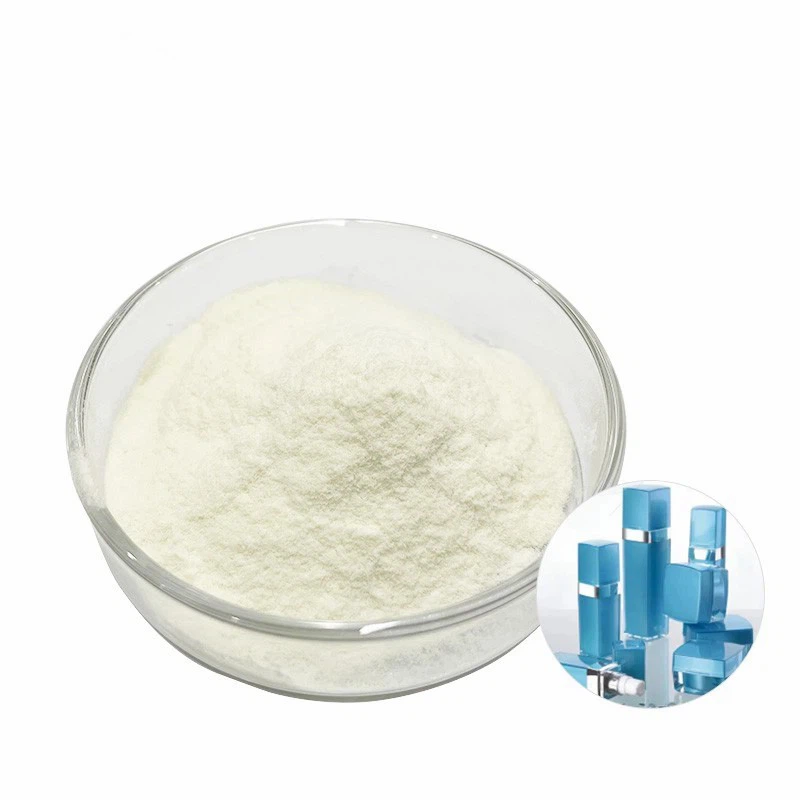
We also provide Yeast Glucan Powder, which is a rich source of Beta 1.3 Glucan. Our yeast glucan powder is of pharmaceutical - grade quality, ensuring its safety and efficacy for use in various applications, including hair care products.

Conclusion
In conclusion, Beta 1.3 Glucan shows great potential for use in the production of conditioners. Its moisturizing, strengthening, and anti - inflammatory properties make it an attractive ingredient for improving hair health and appearance. While there are some challenges to overcome, such as cost and formulation optimization, the growing demand for natural and effective hair care products provides an opportunity for Beta 1.3 Glucan to be incorporated into conditioner formulations.
If you are a conditioner manufacturer interested in exploring the use of Beta 1.3 Glucan in your products, we would be happy to discuss your specific needs and provide you with samples and technical support. Contact us to start a procurement negotiation and discover how our high - quality Beta 1.3 Glucan can enhance your conditioner products.
References
- Smith, A. et al. "The Immunomodulatory Effects of Beta - Glucans." Journal of Immunology Research, 20XX, pp. XX - XX.
- Johnson, B. "Moisturizing Agents in Hair Care Products." International Journal of Cosmetic Science, 20XX, pp. XX - XX.
- Brown, C. et al. "The Role of Anti - Inflammatory Ingredients in Scalp Health." Dermatology Today, 20XX, pp. XX - XX.


