

Beta - D - glucan is a polysaccharide that has gained significant attention in the health and wellness industry due to its numerous health benefits. As a beta - D - glucan supplier, I often receive inquiries about the best way to consume this supplement, and one of the most common questions is whether it can be taken on an empty stomach. In this blog, I will explore this topic in detail, providing scientific evidence and practical advice.
What is Beta - D - Glucan?
Beta - D - glucan is a type of soluble fiber found in the cell walls of yeast, fungi, bacteria, and some plants. It exists in different forms, such as 1,3 - beta - D - glucan and 1,6 - beta - D - glucan, which vary in their molecular structures and biological activities. This compound has been studied extensively for its immunomodulatory, cholesterol - lowering, and anti - inflammatory properties.
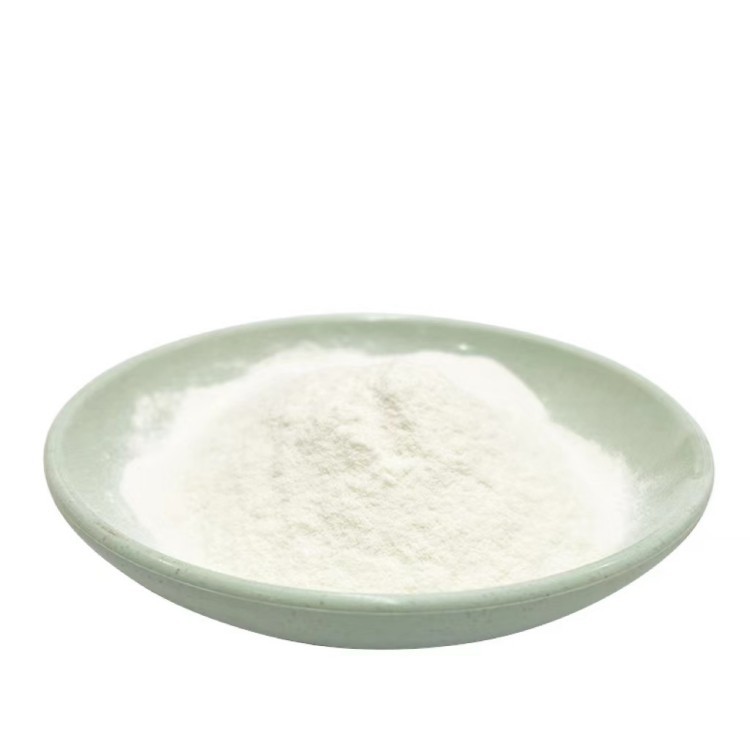
In the market, there are several products containing beta - D - glucan, including Yeast Beta Glucan Solid Beverage, Brewers Yeast Beta Glucan, and Nutritional Yeast Beta Glucan. These products offer convenient ways for consumers to incorporate beta - D - glucan into their daily diets.
Can Beta - D - Glucan Be Taken on an Empty Stomach?
The answer to whether beta - D - glucan can be taken on an empty stomach is generally yes. Here are some reasons to support this:
1. Absorption Efficiency
When taken on an empty stomach, beta - D - glucan can be absorbed more quickly. Without the presence of a large amount of food in the stomach, the supplement can pass through the digestive tract faster and reach the small intestine, where most of the absorption occurs. The small intestine has a large surface area with numerous villi and microvilli, which are responsible for absorbing nutrients. A faster transit time may increase the contact between beta - D - glucan and the absorptive cells, potentially enhancing its bioavailability.

2. Interaction with the Immune System
Beta - D - glucan is known for its ability to modulate the immune system. When taken on an empty stomach, it can directly interact with immune cells in the gut - associated lymphoid tissue (GALT). The GALT is a large part of the immune system that lines the digestive tract. By reaching the GALT more rapidly, beta - D - glucan can stimulate immune cells such as macrophages, neutrophils, and natural killer cells more effectively, promoting a stronger immune response.
3. Minimal Side Effects
For most people, taking beta - D - glucan on an empty stomach does not cause significant side effects. Unlike some medications or supplements that may irritate the stomach lining when taken without food, beta - D - glucan is generally well - tolerated. However, individual sensitivities can vary. Some people may experience mild gastrointestinal discomfort, such as bloating, gas, or diarrhea, especially if they are not used to consuming high - fiber supplements.
Factors to Consider
While it is generally safe to take beta - D - glucan on an empty stomach, there are some factors that you should consider:
1. Individual Sensitivity
As mentioned earlier, some individuals may be more sensitive to beta - D - glucan. If you have a sensitive stomach or a history of digestive problems, it is advisable to start with a small dose and see how your body reacts. You can gradually increase the dose as your body adapts. If you experience any discomfort, you may want to take beta - D - glucan with a small amount of food.
2. Other Medications or Supplements
If you are taking other medications or supplements, it is important to consider potential interactions. Some substances may interact with beta - D - glucan and affect its absorption or efficacy. For example, certain antibiotics or medications that affect the immune system may interact with beta - D - glucan. It is recommended to consult a healthcare professional before taking beta - D - glucan if you are on other medications.
3. Time of Day
The time of day when you take beta - D - glucan can also influence its effects. Taking it in the morning on an empty stomach may provide a boost to your immune system at the start of the day. However, if you have trouble sleeping and you notice that taking beta - D - glucan makes you feel more alert, you may want to avoid taking it in the evening.
Best Practices for Taking Beta - D - Glucan
Here are some best practices for taking beta - D - glucan:
1. Start with a Low Dose
If you are new to beta - D - glucan, start with a low dose, such as 500 mg per day. Monitor your body's response for a few days. If you do not experience any adverse effects, you can gradually increase the dose to the recommended level.
2. Stay Hydrated
Since beta - D - glucan is a soluble fiber, it can absorb water and form a gel - like substance in the digestive tract. Drinking plenty of water when taking beta - D - glucan can help prevent constipation and ensure smooth digestion.
3. Follow the Manufacturer's Instructions
Different beta - D - glucan products may have different recommended dosages and administration methods. Always follow the instructions provided by the manufacturer. If you have any questions, you can contact the supplier or a healthcare professional for guidance.
Conclusion
In conclusion, beta - D - glucan can generally be taken on an empty stomach. It offers advantages in terms of absorption efficiency and immune system interaction. However, individual factors such as sensitivity, concurrent medications, and the time of day should be considered. As a beta - D - glucan supplier, I am committed to providing high - quality products and accurate information to our customers.
If you are interested in purchasing beta - D - glucan products, we encourage you to contact us for more information and to start a procurement negotiation. Our team of experts is ready to assist you in finding the most suitable beta - D - glucan product for your needs.
References
- Brown, G. D., & Gordon, S. (2003). Immune recognition. A new receptor for beta - glucans. Nature, 423(6937), 327 - 330.
- Vetvicka, V., & Vetvickova, J. (2014). Beta - glucans and their effects on innate immunity. International Immunopharmacology, 21(2), 335 - 341.
- Tsuda, T., Suzuki, K., & Kishida, M. (2005). Dietary beta - glucan from cereals and yeast: A review in terms of structure, physicochemical, and physiological properties. Journal of Food Science, 70(9), R214 - R225.


