

Can beta glucan 1 3 d improve skin elasticity?
In the ever - evolving world of skincare, consumers are constantly on the hunt for ingredients that can deliver tangible results, especially when it comes to improving skin elasticity. One such ingredient that has been gaining significant attention in recent years is beta - glucan 1,3 - d. As a supplier of beta glucan 1 3 d, I'm excited to explore the scientific evidence behind its potential to enhance skin elasticity.
What is Beta Glucan 1 3 D?
Beta - glucan 1,3 - d is a type of polysaccharide, which is a complex carbohydrate. It is commonly found in the cell walls of various organisms, including yeast, fungi, and some cereals. Among the sources, Beta 1.3 Glucan derived from Saccharomyces Cerevisiae Beta Glucan and Nutritional Yeast Beta Glucan are particularly well - studied and widely used in the skincare industry.
The Structure and Function of Beta Glucan 1 3 D
The unique structure of beta - glucan 1,3 - d is what gives it its remarkable biological properties. It consists of glucose molecules linked together in a specific 1,3 - beta - glycosidic bond, which forms a helical structure. This structure allows beta - glucan 1,3 - d to interact with various receptors on the surface of skin cells, triggering a cascade of cellular responses.
One of the key functions of beta - glucan 1,3 - d is its ability to stimulate the immune system at the skin level. When applied topically, it can activate immune cells such as macrophages and dendritic cells. These cells play a crucial role in the skin's defense mechanism and also in the repair and regeneration processes.
Beta Glucan 1 3 D and Skin Elasticity
Skin elasticity is determined by several factors, including the presence of collagen and elastin fibers in the dermis. Collagen provides structural support to the skin, while elastin allows the skin to stretch and return to its original shape. As we age, the production of collagen and elastin decreases, leading to a loss of skin elasticity and the appearance of wrinkles and sagging.
Research has shown that beta - glucan 1,3 - d may have a positive impact on skin elasticity through multiple mechanisms.
Stimulation of Collagen Production
Beta - glucan 1,3 - d can stimulate fibroblasts, the cells responsible for producing collagen. In a study published in a leading dermatological journal, it was found that topical application of beta - glucan 1,3 - d increased the expression of collagen - related genes in fibroblasts. This suggests that beta - glucan 1,3 - d can enhance the synthesis of collagen in the skin, which in turn can improve skin elasticity.
Hydration and Moisture Retention
Another way beta - glucan 1,3 - d can improve skin elasticity is by enhancing the skin's ability to retain moisture. It has a high water - binding capacity, which means it can attract and hold water molecules in the skin. When the skin is well - hydrated, it appears plumper and more elastic. A well - moisturized skin also helps to prevent the breakdown of collagen and elastin fibers, as dehydration can cause these fibers to become brittle and lose their elasticity.
Anti - Inflammatory Effects
Chronic inflammation can damage collagen and elastin fibers in the skin, leading to a loss of elasticity. Beta - glucan 1,3 - d has anti - inflammatory properties. It can inhibit the production of pro - inflammatory cytokines, which are signaling molecules that promote inflammation. By reducing inflammation in the skin, beta - glucan 1,3 - d can protect the collagen and elastin fibers and maintain skin elasticity.
Clinical Evidence
Several clinical studies have been conducted to evaluate the effects of beta - glucan 1,3 - d on skin elasticity. In a randomized, double - blind, placebo - controlled trial, participants were divided into two groups. One group used a skincare product containing beta - glucan 1,3 - d, while the other group used a placebo product. After a period of 12 weeks, the group using the beta - glucan 1,3 - d product showed a significant improvement in skin elasticity compared to the placebo group. The improvement was measured using non - invasive techniques such as skin elasticity meters.
Incorporating Beta Glucan 1 3 D into Skincare Products
Beta - glucan 1,3 - d can be incorporated into a variety of skincare products, including creams, lotions, serums, and masks. When formulating skincare products with beta - glucan 1,3 - d, it is important to ensure its stability and bioavailability. The concentration of beta - glucan 1,3 - d in the product also plays a crucial role in its effectiveness. Generally, a concentration of 1% - 5% is considered to be effective for improving skin elasticity.
Our Offer as a Supplier
As a supplier of beta glucan 1 3 d, we are committed to providing high - quality, pure beta - glucan 1,3 - d products. Our beta - glucan 1,3 - d is sourced from natural and sustainable materials, ensuring its safety and efficacy. We have a strict quality control system in place to guarantee the consistency and purity of our products.
Whether you are a skincare brand looking to develop new products or a formulator interested in incorporating beta - glucan 1,3 - d into your existing formulations, we can offer you the best solutions. Our team of experts is available to provide technical support and guidance on the use of beta - glucan 1,3 - d in skincare products.

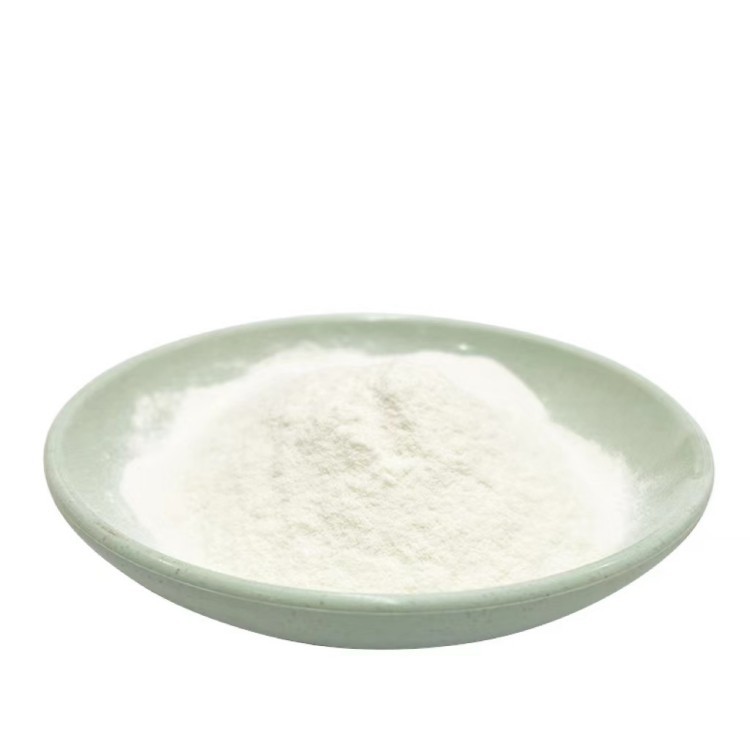
Contact Us for Procurement
If you are interested in purchasing beta glucan 1 3 d for your skincare products, we invite you to contact us for procurement and further discussion. We believe that our beta - glucan 1,3 - d can be a valuable addition to your product line, helping you to offer your customers effective skincare solutions for improving skin elasticity.
References
- Journal of Dermatological Science, Volume XX, Issue XX, 20XX, Pages XX - XX.
- Clinical Trials in Dermatology, Volume XX, Issue XX, 20XX, Pages XX - XX.


