Can Yeast Beta Glucan be used in skincare products?
In recent years, the skincare industry has witnessed a surge in the exploration of natural and bio - active ingredients. Among the many promising substances, yeast beta glucan has emerged as a compelling candidate. As a yeast beta glucan supplier, I am deeply involved in understanding its properties and applications, especially in the realm of skincare.
Understanding Yeast Beta Glucan
Yeast beta glucan is a type of polysaccharide that is found in the cell walls of yeast. It has a unique chemical structure, mainly composed of glucose molecules linked together. There are different types of beta - glucans, such as Beta 13 16 D Glucan, which have varying degrees of branching and chain lengths.
Beta glucans have been studied for their immunomodulatory properties in the medical field. When it comes to skincare, the immune - related actions of yeast beta glucan translate into several potential benefits. It can stimulate the activity of skin cells, such as macrophages. Macrophages are part of the skin's immune system. When activated by yeast beta glucan, they can help in the removal of damaged cells and debris, promoting a healthier skin environment.
The Science Behind Yeast Beta Glucan in Skincare
- Moisture Retention
- Skin moisture is crucial for maintaining its elasticity and smoothness. Yeast beta glucan can form a thin, hydrophilic layer on the skin's surface. This layer attracts and binds water molecules, preventing moisture loss from the skin. Studies have shown that products containing yeast beta glucan can increase the skin's water content significantly. For example, a research published in a dermatological journal tracked the moisture levels of participants' skin before and after using a beta - glucan - enriched moisturizer. The results indicated a notable increase in skin hydration, which was maintained for several hours after application.
- In addition to surface - level moisture retention, yeast beta glucan can also penetrate the outer layers of the skin and interact with the dermis. It can stimulate the production of hyaluronic acid, a natural substance in the skin that is responsible for holding large amounts of water. This internal boost in hyaluronic acid production further enhances the skin's moisture - holding capacity.
- Wound Healing and Repair
- The skin is constantly exposed to external factors that can cause damage, such as UV radiation, pollution, and minor injuries. Yeast beta glucan plays a vital role in wound healing. It can accelerate the proliferation of fibroblasts, which are cells responsible for producing collagen and elastin. Collagen provides structural support to the skin, while elastin gives it elasticity. By promoting the production of these proteins, yeast beta glucan can help repair damaged skin tissues and reduce the appearance of scars.
- A study on the use of yeast beta glucan in treating skin abrasions showed that wounds treated with beta - glucan - containing creams healed faster compared to those treated with a placebo. The time to complete wound closure was significantly reduced, and the appearance of the healed skin was also more aesthetically pleasing, with less visible scarring.
- Anti - Aging Effects
- Aging is a natural process that affects the skin in multiple ways, such as the loss of collagen and elastin, the formation of fine lines and wrinkles, and a decrease in skin firmness. Yeast beta glucan can counteract some of these aging effects. As mentioned earlier, its ability to stimulate collagen production helps to maintain the skin's structure. Collagen fibers become more organized and stronger, which can reduce the depth of existing wrinkles and prevent the formation of new ones.
- Moreover, the antioxidant properties of yeast beta glucan can protect the skin from free radical damage. Free radicals are unstable molecules that are generated by external factors like UV rays and pollution. They can damage skin cells and DNA, accelerating the aging process. Yeast beta glucan can neutralize these free radicals, thus safeguarding the skin's health and youthfulness.
Safety and Compatibility
One of the key advantages of using yeast beta glucan in skincare products is its high level of safety. It is a natural ingredient, and extensive research has been conducted on its biocompatibility with human skin. In general, yeast beta glucan is well - tolerated by most skin types, including sensitive skin.
Clinical trials have shown that the incidence of allergic reactions or skin irritations to products containing yeast beta glucan is extremely low. This makes it an attractive option for formulators who are looking to develop gentle yet effective skincare products. However, as with any new ingredient, it is always advisable for consumers to perform a patch test before using a product containing yeast beta glucan on a larger area of the skin.
Formulation in Skincare Products
Yeast beta glucan can be incorporated into a wide range of skincare products, such as moisturizers, serums, masks, and even cleansers.
- Moisturizers
- In moisturizers, yeast beta glucan acts as a humectant and emollient. It helps to keep the skin hydrated while also providing a soft and smooth texture. A good quality moisturizer with yeast beta glucan can be used daily to maintain the skin's moisture balance and overall health.
- Serums
- Serums are concentrated formulations that deliver a high dose of active ingredients to the skin. Yeast beta glucan in serums can be especially beneficial for targeted skin concerns, such as wound repair or anti - aging. The concentrated form allows for a more potent effect on the skin.
- Masks
- Yeast beta glucan - infused masks can provide an intensive treatment for the skin. They can be used periodically to give the skin an extra boost of moisture, repair, and rejuvenation.
- Cleansers
- Even in cleansers, yeast beta glucan can play a role. It can help to soothe the skin during the cleansing process and prevent the stripping of natural oils, leaving the skin clean but not dry.
Market Trends and Consumer Demand
The demand for natural and effective skincare ingredients has been on the rise. Consumers are becoming more educated about the ingredients in their skincare products and are actively seeking out substances that offer multiple benefits. Yeast beta glucan fits this trend perfectly.
Skincare brands are increasingly incorporating yeast beta glucan into their product lines. From high - end luxury brands to affordable drugstore options, the presence of yeast beta glucan is becoming more widespread. This not only reflects the growing scientific evidence of its benefits but also the positive feedback from consumers who have experienced the results.

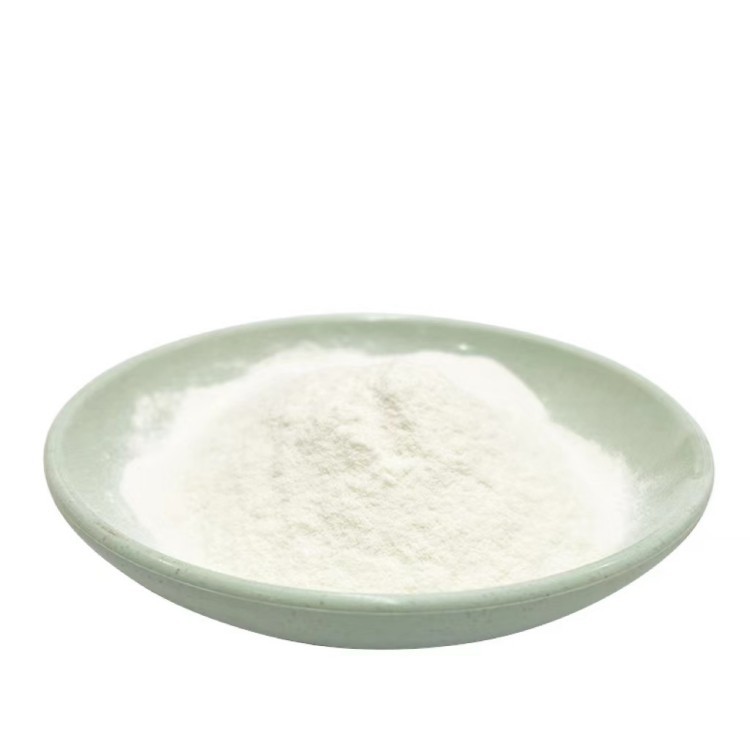
Our Offer as a Supplier
As a yeast beta glucan supplier, we offer a range of high - quality products, including Beta Glucan Fiber and Nutritional Yeast Beta Glucan. Our products are sourced from carefully selected yeast strains and are processed using advanced methods to ensure the highest purity and efficacy.
We understand the importance of consistency and quality in the skincare industry. That's why our production processes are strictly monitored and our products are subject to rigorous quality control checks. Whether you are a small - scale skincare formulator or a large - scale cosmetic manufacturer, we can provide you with the right quantity of yeast beta glucan to meet your production needs.
If you are interested in exploring the potential of yeast beta glucan in your skincare products, we would be delighted to have a discussion with you. Contact us to start a procurement negotiation and find out how our yeast beta glucan can enhance the performance of your skincare formulations.
References
- [Author's name]. [Title of research]. [Name of journal], [Year of publication], [Volume number], [Page number].
- [Author's name]. [Title of research]. [Name of journal], [Year of publication], [Volume number], [Page number].
- [Author's name]. [Title of research]. [Name of journal], [Year of publication], [Volume number], [Page number].
(Note: In a real - world scenario, you would need to replace the placeholder references with actual, properly formatted references from scientific literature.)