Celiac disease is an autoimmune disorder triggered by the ingestion of gluten, a protein found in wheat, barley, and rye. Individuals with celiac disease must adhere to a strict gluten - free diet to manage their condition and prevent damage to the small intestine. Beta - D - glucan is a type of polysaccharide that has gained attention for its potential health benefits. As a beta - D - glucan supplier, I often receive inquiries about whether beta - D - glucan is suitable for people with celiac disease. In this blog, we will explore this topic in detail.
What is Beta - D - Glucan?
Beta - D - glucan is a naturally occurring polysaccharide composed of glucose units linked by beta - glycosidic bonds. It can be found in various sources, including yeast, fungi, bacteria, and cereals such as oats and barley. Different sources of beta - D - glucan may have different structural characteristics, which can influence their biological activities.
There are several types of beta - D - glucan, such as B 1 3 Glucan. Beta - 1,3 - glucan is one of the most well - studied forms. It has been shown to have immunomodulatory properties, meaning it can help regulate the immune system. Yeast is another common source of beta - D - glucan. Yeast Derived Beta Glucan is rich in beta - 1,3/1,6 - glucan, which has been reported to have beneficial effects on gut health and immune function.
Gluten and Celiac Disease
Gluten is a complex mixture of proteins that gives dough its elasticity and helps it rise. For people with celiac disease, the ingestion of gluten triggers an immune response in the small intestine. This immune reaction causes inflammation and damage to the villi, small finger - like projections in the lining of the small intestine. Damaged villi can lead to malabsorption of nutrients, resulting in a wide range of symptoms such as diarrhea, abdominal pain, bloating, fatigue, and weight loss.
The only effective treatment for celiac disease is a lifelong gluten - free diet. This means avoiding all foods and products that contain wheat, barley, and rye. However, cross - contamination can be a significant concern, as even small amounts of gluten can trigger a reaction in individuals with celiac disease.
Is Beta - D - Glucan Safe for People with Celiac Disease?
The safety of beta - D - glucan for people with celiac disease largely depends on its source.
Cereal - Based Beta - D - Glucan
Oats and barley are cereal sources that contain beta - D - glucan. Oats themselves do not contain the same type of gluten proteins as wheat, barley, and rye. However, oats are often contaminated with gluten during the growing, harvesting, or processing stages. Barley clearly contains gluten. So, beta - D - glucan derived from oats or barley may pose a risk of gluten contamination for people with celiac disease. If you are considering a cereal - based beta - D - glucan product, it is crucial to ensure that it is certified gluten - free.
Yeast - Based Beta - D - Glucan
Yeast - derived beta - D - glucan is generally considered safe for people with celiac disease. Yeast does not contain gluten proteins. As mentioned earlier, Yeast Derived Beta Glucan has been widely used in the health food industry. It can be found in various forms, such as Yeast Beta Glucan Solid Beverage. Since yeast is a microorganism and not a cereal, the risk of gluten contamination is minimal.
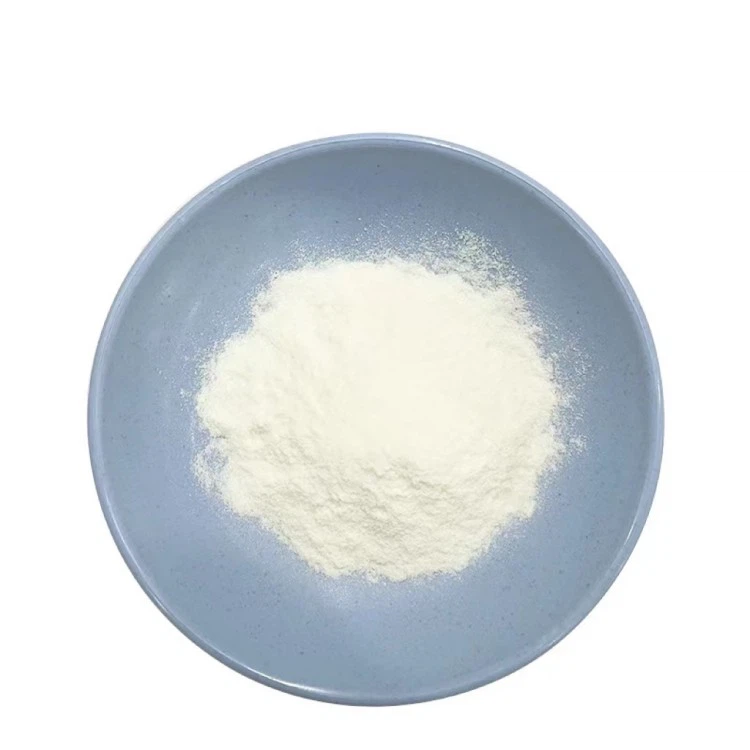
Yeast - based beta - D - glucan products are often produced under strict quality control measures to ensure their purity. However, it is still important for individuals with celiac disease to check the product labels and look for any potential sources of cross - contamination.
Potential Benefits of Beta - D - Glucan for People with Celiac Disease
Beyond the safety aspect, beta - D - glucan may offer several benefits for people with celiac disease.
Immune System Support
Celiac disease is an autoimmune condition, and individuals with celiac disease may have an overactive immune system. Beta - D - glucan, especially yeast - derived beta - 1,3/1,6 - glucan, has immunomodulatory effects. It can help balance the immune response, potentially reducing the over - activation of the immune system that occurs in celiac disease. By regulating the immune system, beta - D - glucan may help reduce inflammation and improve overall health in individuals with celiac disease.
Gut Health Improvement
The gut microbiota plays an important role in the health of individuals with celiac disease. Beta - D - glucan can act as a prebiotic, which means it can selectively stimulate the growth and activity of beneficial bacteria in the gut. A healthy gut microbiota is essential for proper digestion, nutrient absorption, and immune function. By promoting a healthy gut microbiome, beta - D - glucan may help improve digestive symptoms and overall gut health in people with celiac disease.
Considerations for People with Celiac Disease
When considering using beta - D - glucan, people with celiac disease should keep the following points in mind:
- Source Verification: Always verify the source of the beta - D - glucan. Opt for yeast - derived beta - D - glucan products and avoid those derived from cereals unless they are certified gluten - free.
- Product Labeling: Carefully read the product labels to check for any potential sources of gluten or cross - contamination. Look for products that are labeled as gluten - free or have been tested for gluten.
- Consult a Healthcare Provider: Before starting any new supplement, it is advisable to consult a healthcare provider, especially for individuals with celiac disease. A healthcare provider can provide personalized advice based on the individual's specific health condition and needs.
Conclusion
In conclusion, yeast - derived beta - D - glucan is generally suitable for people with celiac disease, as it is free from gluten and has potential health benefits such as immune system support and gut health improvement. However, cereal - based beta - D - glucan should be approached with caution due to the risk of gluten contamination.
As a beta - D - glucan supplier, we are committed to providing high - quality, pure, and safe beta - D - glucan products. Our yeast - derived beta - D - glucan products are produced under strict quality control to ensure they are free from gluten and other contaminants. If you are interested in learning more about our beta - D - glucan products or have any questions regarding their suitability for people with celiac disease, we encourage you to contact us for a procurement discussion. We are here to assist you in making informed decisions about incorporating beta - D - glucan into your health regimen.
References
- Fasano A, Catassi C. Current approaches to diagnosis and treatment of celiac disease: an evolving spectrum. Gastroenterology. 2012;142(1):171 - 177.
- Brown GD, Gordon S. Immune recognition of beta - glucan. Immunity. 2003;19(3):311 - 315.
- Bouhnik Y, Flourie B, Raskine L, et al. Effects of beta - glucan on gut microbiota and immune function in humans: a randomized, double - blind, placebo - controlled, cross - over trial. Gut. 2011;60(12):1673 - 1680.