

Glucan is a term that has gained significant attention in the health and wellness industry in recent years. As a supplier of glucan products, I often encounter questions about whether glucan is a natural substance. In this blog post, I aim to provide a comprehensive answer to this question, exploring the nature of glucan, its sources, and its benefits.
What is Glucan?
Glucan is a type of polysaccharide, which is a complex carbohydrate made up of multiple glucose molecules linked together. It is found in the cell walls of various organisms, including fungi, yeast, bacteria, and plants. There are different types of glucans, each with a unique structure and function. The most well - studied glucans in the context of human health are beta - glucans, which have a beta - glycosidic bond between the glucose units.
Sources of Glucan
Fungi
Many types of mushrooms are rich sources of glucan. For example, shiitake, maitake, and reishi mushrooms contain high levels of beta - glucans. These mushrooms have been used in traditional medicine for centuries, and modern research has started to uncover the scientific basis for their health benefits. The glucans in mushrooms are often extracted and used in dietary supplements.
Yeast
Yeast is another important source of glucan. Nutritional Yeast Beta Glucan is a popular product derived from yeast. Yeast beta - glucans are known for their immunomodulatory properties. They can interact with immune cells in the body, such as macrophages and neutrophils, and help to enhance the immune response.
Bacteria
Some bacteria also produce glucans. For instance, certain strains of lactic acid bacteria can synthesize glucans as part of their cell wall structure. These bacterial glucans may have potential applications in the food and pharmaceutical industries.
Plants
Glucans are also present in plants. Cereal grains like oats and barley contain beta - glucans in their endosperm cell walls. Oat beta - glucan has been shown to have cholesterol - lowering effects and can help to improve heart health.
Is Glucan a Natural Substance?
Based on its sources, it is clear that glucan is a natural substance. It occurs naturally in the cell walls of living organisms, and its extraction and use in products are based on these natural sources. When we talk about natural substances, we generally refer to those that are derived from nature without significant chemical modification.

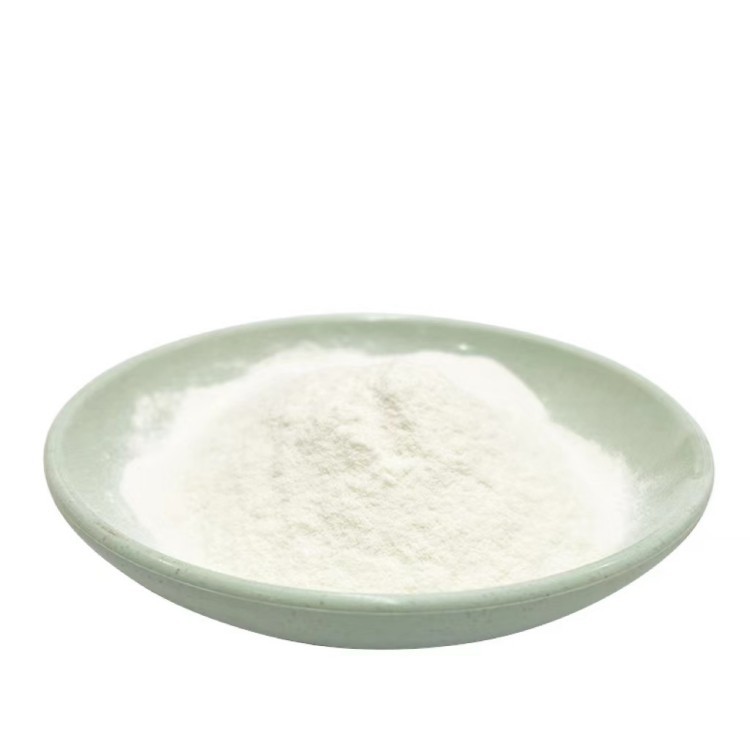
In the case of glucan, the extraction process is designed to isolate the glucan from its natural source while maintaining its natural structure and properties. For example, when extracting glucan from yeast, the process typically involves breaking down the yeast cells and purifying the glucan fraction. The resulting product is a natural glucan that retains its biological activity.
However, it is important to note that the quality and purity of glucan products can vary. Some manufacturers may use harsh chemical solvents or processes that could potentially alter the natural structure of the glucan. As a responsible glucan supplier, we are committed to using gentle and natural extraction methods to ensure that our products maintain their natural integrity.
Health Benefits of Glucan
Immune System Support
One of the most well - documented benefits of glucan is its ability to support the immune system. Beta 1 3d Glucan is a type of beta - glucan that has been extensively studied for its immunomodulatory effects. It can activate immune cells, such as macrophages, which are responsible for engulfing and destroying pathogens. By enhancing the immune response, glucan can help the body to better defend against infections and diseases.
Cholesterol Management
As mentioned earlier, oat beta - glucan can help to lower cholesterol levels. It works by binding to bile acids in the digestive tract, which are then excreted from the body. To maintain the proper balance of bile acids, the liver uses cholesterol to synthesize new bile acids, resulting in a reduction in blood cholesterol levels.
Wound Healing
Glucans have also been shown to have a positive effect on wound healing. They can promote the migration and proliferation of skin cells, as well as the production of collagen, which is essential for wound repair. Some topical glucan products are being developed for use in wound care.
Our Glucan Products
At our company, we offer a range of high - quality glucan products. Immuno Boost Beta Glucan is one of our flagship products. It is derived from natural yeast sources and is carefully formulated to provide maximum immune support. Our extraction process ensures that the glucan retains its natural structure and biological activity.
We also offer glucan products derived from mushrooms and oats, each with its own unique set of benefits. Whether you are looking to support your immune system, manage your cholesterol, or improve your overall health, our glucan products can be a valuable addition to your daily routine.
Why Choose Our Glucan Products?
- Natural Sources: All our glucan products are derived from natural sources, ensuring that you are getting a pure and natural substance.
- Quality Assurance: We have strict quality control measures in place to ensure the purity and potency of our products. Every batch of glucan is tested for quality and safety.
- Scientifically Backed: Our products are based on scientific research. We stay up - to - date with the latest studies on glucan and its health benefits to ensure that our products are effective.
Contact Us for Procurement
If you are interested in purchasing our glucan products for your business or personal use, we would be happy to discuss your requirements. We offer competitive pricing, flexible packaging options, and excellent customer service. Whether you are a retailer, a distributor, or an individual consumer, we can provide you with the glucan products that meet your needs.
Please feel free to reach out to us to start a conversation about procurement. We look forward to working with you to help you achieve your health and business goals.
References
- Brown, G. D., & Gordon, S. (2003). Fungal beta - glucans and mammalian immunity. Immunological Reviews, 194, 181 - 185.
- Jenkins, D. J., Kendall, C. W., Marchie, A., et al. (2002). Soluble fiber intake at a dose approved by the US Food and Drug Administration for a claim of health benefits: serum lipid risk factor changes and compliance in healthy and hyperlipidemic individuals. The American Journal of Clinical Nutrition, 76(3), 721 - 726.
- Vetvicka, V., & Vetvickova, J. (2007). The role of beta - glucans in innate immunity. Cellular Immunology, 244(1 - 2), 6 - 12.


