

Beta-1,3-D-glucan is a polysaccharide that has gained significant attention in various industries due to its unique biological and chemical properties. As a supplier of beta-1,3-D-glucan, I have witnessed its diverse applications in food additives, nutrition, and other fields. One question that often arises is whether beta-1,3-D-glucan can be used in the production of biofuels. In this blog post, we will explore this topic in depth and analyze the potential of beta-1,3-D-glucan in biofuel production.

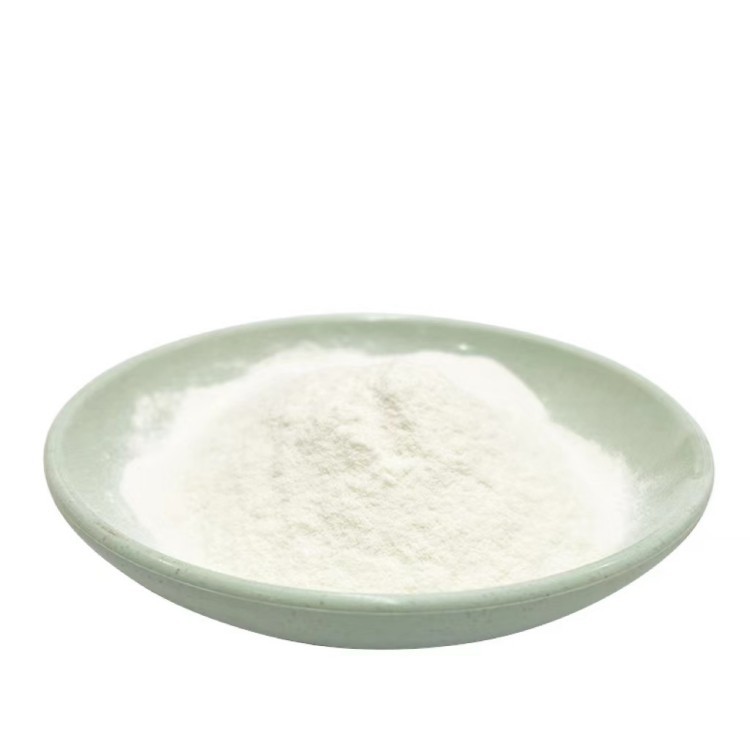
Understanding Beta-1,3-D-Glucan
Beta-1,3-D-glucan is a type of glucose polymer found in the cell walls of fungi, yeast, bacteria, and some plants. It consists of glucose units linked by beta-1,3-glycosidic bonds, with occasional beta-1,6-glycosidic branches. This structure gives beta-1,3-D-glucan its unique physical and chemical properties, such as solubility, viscosity, and immunomodulatory activity.
In the food industry, beta-1,3-D-glucan is widely used as a Food Additives Yeast Beta Glucan. It can act as a thickener, stabilizer, and emulsifier, improving the texture and shelf life of food products. Additionally, it has been shown to have health benefits, such as reducing cholesterol levels and enhancing the immune system. As a Nutritional Yeast Beta Glucan, it is also used in dietary supplements to support overall health.
Biofuels: An Overview
Biofuels are renewable energy sources derived from biological materials, such as plants, algae, and waste. They offer a sustainable alternative to fossil fuels, reducing greenhouse gas emissions and dependence on non-renewable resources. There are several types of biofuels, including bioethanol, biodiesel, and biogas.
Bioethanol is typically produced from starch or sugar-rich crops, such as corn, sugarcane, and wheat. These crops are fermented by yeast to convert the sugars into ethanol. Biodiesel, on the other hand, is made from vegetable oils or animal fats through a process called transesterification. Biogas is produced by the anaerobic digestion of organic matter, such as manure, sewage, and agricultural waste.
Potential of Beta-1,3-D-Glucan in Biofuel Production
The use of beta-1,3-D-glucan in biofuel production is an emerging area of research. There are several reasons why beta-1,3-D-glucan could be a promising feedstock for biofuels:
Abundant Source
Beta-1,3-D-glucan can be extracted from various sources, including yeast, fungi, and bacteria. Yeast, in particular, is a widely available and easily cultivable organism. It can be grown on a large scale using inexpensive substrates, such as molasses and agricultural waste. This makes beta-1,3-D-glucan a potentially abundant and sustainable feedstock for biofuel production.
High Energy Content
Glucose, the basic building block of beta-1,3-D-glucan, is a rich source of energy. When broken down through fermentation or other processes, glucose can be converted into biofuels, such as ethanol and biogas. Beta-1,3-D-glucan, with its high glucose content, has the potential to yield a significant amount of biofuel per unit of biomass.
Biodegradability
Beta-1,3-D-glucan is a biodegradable polymer, which means it can be broken down by microorganisms in the environment. This is an important property for biofuel feedstocks, as it ensures that any unused or residual materials do not accumulate and cause environmental problems.
Compatibility with Existing Technologies
The production of biofuels from beta-1,3-D-glucan could potentially be integrated with existing biofuel production technologies. For example, the fermentation process used to convert glucose into ethanol is well-established and can be adapted to use beta-1,3-D-glucan as a feedstock. This would reduce the need for significant investment in new infrastructure and technology.
Challenges and Limitations
While the potential of beta-1,3-D-glucan in biofuel production is promising, there are also several challenges and limitations that need to be addressed:
Extraction and Purification
Extracting and purifying beta-1,3-D-glucan from its source materials can be a complex and costly process. The extraction method needs to be optimized to ensure high yields and purity of the product. Additionally, the cost of extraction and purification can significantly impact the economic viability of using beta-1,3-D-glucan as a biofuel feedstock.
Enzymatic Hydrolysis
To convert beta-1,3-D-glucan into fermentable sugars, it needs to be hydrolyzed into glucose units. This requires the use of specific enzymes, such as beta-1,3-glucanases. However, these enzymes can be expensive and may not be readily available in large quantities. Developing cost-effective and efficient enzymatic hydrolysis methods is crucial for the successful use of beta-1,3-D-glucan in biofuel production.
Competition with Other Applications
Beta-1,3-D-glucan has a wide range of applications in the food, pharmaceutical, and cosmetic industries. As a result, there may be competition for the available supply of beta-1,3-D-glucan. Ensuring a stable and sufficient supply of beta-1,3-D-glucan for biofuel production will require careful management of the supply chain and coordination with other industries.
Research and Development Efforts
Despite the challenges, there is ongoing research and development efforts to explore the use of beta-1,3-D-glucan in biofuel production. Scientists are working on developing more efficient extraction and purification methods, as well as improving the enzymatic hydrolysis process. Additionally, genetic engineering techniques are being used to enhance the production of beta-1,3-D-glucan in microorganisms and plants.
Some research groups are also exploring the possibility of using Natures Beta Glukan as a feedstock for biofuel production. Natures Beta Glukan is a natural form of beta-1,3-D-glucan that has been shown to have unique properties and potential applications in various fields.
Conclusion
In conclusion, beta-1,3-D-glucan has the potential to be used in the production of biofuels. Its abundant source, high energy content, biodegradability, and compatibility with existing technologies make it an attractive feedstock. However, there are still several challenges and limitations that need to be overcome, such as extraction and purification costs, enzymatic hydrolysis efficiency, and competition with other applications.
As a supplier of beta-1,3-D-glucan, I am excited about the potential of this polysaccharide in the biofuel industry. We are committed to supporting research and development efforts in this area and providing high-quality beta-1,3-D-glucan products to meet the needs of our customers.
If you are interested in exploring the use of beta-1,3-D-glucan in biofuel production or other applications, please feel free to contact us for more information. We would be happy to discuss your requirements and work with you to find the best solutions.
References
- BeMiller, J. N. (2016). Carbohydrate Chemistry for Food Scientists. Springer.
- Demirbas, A. (2009). Biofuels Sources, Production, and Sustainability. Springer.
- Goyal, H. B., Saxena, R. K., & Nigam, P. S. (2008). Biogas production: current state and future prospects. Renewable and Sustainable Energy Reviews, 12(2), 504-510.
- Mohnen, D. (2008). Pectin structure and biosynthesis. Current Opinion in Plant Biology, 11(3), 266-277.


