

Beta glucan 1.3, a polysaccharide with a wide range of health - promoting properties, has been a topic of significant interest in the food industry. As a supplier of beta glucan 1.3, I am often asked whether it can be used in food products. In this blog, we will explore the scientific basis, regulatory aspects, and potential applications of beta glucan 1.3 in the food sector.
Scientific Basis of Beta Glucan 1.3 in Food Use
Beta glucan 1.3 is a type of soluble fiber found in the cell walls of various organisms, including yeast, fungi, bacteria, and cereals. Its structure consists of glucose monomers linked by β - 1,3 - glycosidic bonds, which gives it unique physical and biological properties.
From a nutritional perspective, beta glucan 1.3 has been shown to have several health benefits. It can help lower cholesterol levels by binding to bile acids in the gut, which are then excreted. This forces the liver to use cholesterol to produce new bile acids, thereby reducing the overall cholesterol concentration in the blood. Additionally, beta glucan 1.3 can regulate blood sugar levels. It forms a viscous gel in the digestive tract, which slows down the absorption of carbohydrates and helps prevent rapid spikes in blood glucose.
These health - promoting properties make beta glucan 1.3 an attractive ingredient for functional foods. For example, in the case of cardiovascular - friendly foods, the addition of beta glucan 1.3 can enhance the product's ability to support heart health. Similarly, for diabetic - friendly products, it can contribute to better blood sugar management.
Regulatory Approval for Food Use
Before any ingredient can be used in food products, it must meet the regulatory requirements of the target market. In many countries, beta glucan 1.3 from certain sources, such as yeast, has been approved for use in food.
In the United States, the Food and Drug Administration (FDA) has recognized the health claims associated with beta - glucan from oats and barley. Although the regulations for beta glucan 1.3 specifically may vary depending on the source, generally, if it can be demonstrated that the ingredient is safe and has the claimed health benefits, it can be used in food products. In the European Union, the European Food Safety Authority (EFSA) also assesses the safety and efficacy of novel food ingredients, including beta glucan 1.3. Once approved, it can be used within the specified limits and conditions.
As a supplier, we ensure that our beta glucan 1.3 products comply with all relevant regulatory standards. We conduct rigorous quality control and safety assessments to guarantee that our customers can use our products with confidence in the food manufacturing process.
Potential Applications in Food Products
Beverages
Beta glucan 1.3 can be incorporated into various beverages, such as smoothies, juices, and functional drinks. In smoothies, it can add a thickening and stabilizing effect while providing the health benefits mentioned above. For example, a green smoothie with added beta glucan 1.3 can not only be rich in vitamins and minerals but also help in cholesterol and blood sugar management. Functional drinks targeted at athletes or health - conscious individuals can also benefit from the addition of beta glucan 1.3. It can provide a slow - release energy source and support immune function during intense physical activity.
Baked Goods
In the bakery industry, beta glucan 1.3 can be used in bread, muffins, and cookies. It can improve the texture and shelf - life of baked goods. For instance, in bread, it can increase the volume and moisture retention, resulting in a softer and fresher product. At the same time, it adds a nutritional boost, making the bread a healthier choice for consumers. When used in muffins or cookies, it can reduce the fat content without sacrificing taste and texture, as it can mimic some of the properties of fat in the baking process.

Dairy Products
Yogurt, cheese, and milk - based drinks are also suitable carriers for beta glucan 1.3. In yogurt, it can act as a prebiotic, promoting the growth of beneficial gut bacteria. This not only enhances the digestive health of consumers but also improves the overall quality of the yogurt. In cheese, it can be used to modify the texture and improve the melting properties. Milk - based drinks with added beta glucan 1.3 can be positioned as a healthy alternative to regular milk, offering additional health benefits such as cholesterol reduction.
Supplements and Functional Snacks
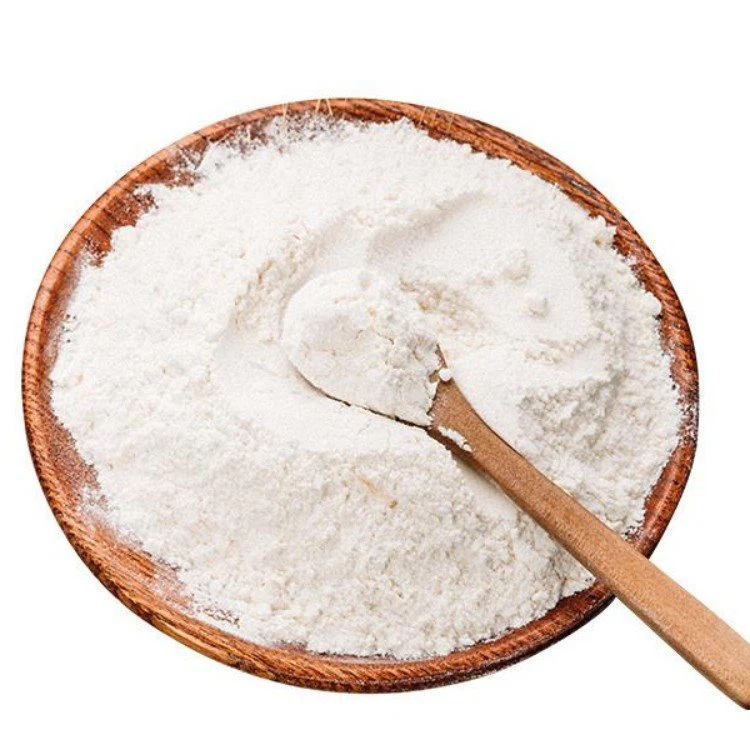
Beta glucan 1.3 is commonly used in the production of dietary supplements. Yeast Derived Beta Glucan is a popular form of beta glucan 1.3 used in supplements due to its high purity and bioavailability. These supplements can be in the form of capsules, tablets, or powders. Moreover, functional snacks like energy bars and granola can also incorporate beta glucan 1.3. Yeast Beta Glucan Tablet Candy is an innovative product that combines the convenience of a candy with the health benefits of beta glucan 1.3, making it an appealing option for consumers.
Our Company as a Supplier
As a leading supplier of beta glucan 1.3, we are committed to providing high - quality products to the food industry. Our beta glucan 1.3 is sourced from carefully selected yeast strains, ensuring its purity and effectiveness. We have a state - of - the - art production facility that adheres to strict quality control measures throughout the manufacturing process.
We offer a variety of Yeast Beta Glucan products with different specifications to meet the diverse needs of our customers. Whether you are a large - scale food manufacturer or a small - scale artisanal producer, we can provide customized solutions. Our technical support team is also available to assist you in the formulation and application of beta glucan 1.3 in your food products.
Contact for Procurement and Collaboration
If you are interested in using beta glucan 1.3 in your food products, we would love to hear from you. We can provide samples for you to test and evaluate the performance of our products in your specific applications. Our team of experts can also offer in - depth consultations on regulatory compliance, product formulation, and marketing strategies.
Don't hesitate to reach out to us for procurement discussions. We are looking forward to establishing long - term partnerships with food manufacturers who share our vision of providing healthy and innovative food products to consumers.
References
- Anderson, J. W., Johnstone, B. M., & Cook - Newell, M. E. (1990). Meta - analysis of the effects of oat bran and oat gum on serum lipid concentrations. The American Journal of Clinical Nutrition, 51(5), 933 - 942.
- Brown, L., Rosner, B., Willett, W. C., & Sacks, F. M. (1999). Cholesterol - lowering effects of dietary fiber: a meta - analysis. The American Journal of Clinical Nutrition, 69(1), 30 - 42.
- EFSA Panel on Dietetic Products, Nutrition, and Allergies (NDA). (2010). Scientific opinion on the substantiation of health claims related to beta - glucans from oats and barley and reduction of blood cholesterol (ID 880, 881, 1317) and maintenance of normal blood glucose concentrations (ID 1318) pursuant to Article 13(1) of Regulation (EC) No 1924/2006. EFSA Journal, 8(2), 1468.


