Ear infections are a common and often painful health issue that can affect people of all ages. Traditionally, medical treatments for ear infections have relied on antibiotics and other pharmacological approaches. However, there is growing interest in the potential of natural substances, such as Beta Glucan 1316, in the treatment of ear infections. As a supplier of Beta Glucan 1316, I aim to explore the scientific basis behind this potential and discuss its viability as a treatment option.
Understanding Beta Glucan 1316
Beta Glucan 1316 is a type of polysaccharide found in the cell walls of certain yeasts, fungi, and cereals. It is known for its immunomodulatory properties, which means it can help regulate the immune system. The immune system plays a crucial role in fighting off infections, including those in the ears. When the immune system is functioning properly, it can recognize and eliminate pathogens that cause ear infections more effectively.
β-Glucans are composed of glucose monomers linked by β-glycosidic bonds. The specific structure of Beta Glucan 1316, with its 1,3 and 1,6 linkages, gives it unique biological activities. These linkages allow it to interact with immune cells, such as macrophages, neutrophils, and natural killer cells, triggering a cascade of immune responses.
The Link Between the Immune System and Ear Infections
Ear infections, such as otitis media (middle ear infection) and otitis externa (outer ear infection), are typically caused by bacteria or viruses. The body's immune system is the first line of defense against these pathogens. When the immune system is compromised, either due to a weakened state or exposure to a large number of pathogens, the risk of developing an ear infection increases.
In otitis media, for example, bacteria or viruses can enter the middle ear through the Eustachian tube. The immune system then tries to clear these pathogens, but if it fails, an infection can occur, leading to symptoms such as ear pain, fever, and hearing loss. By enhancing the immune system's function, Beta Glucan 1316 may help prevent the initial infection or speed up the recovery process.
Beta Glucan 1316 and Immune System Enhancement
Numerous studies have demonstrated the ability of Beta Glucan 1316 to enhance immune function. Macrophages, which are a type of white blood cell, play a key role in the immune response. They engulf and digest pathogens, as well as present antigens to other immune cells to initiate a more specific immune response. Beta Glucan 1316 can activate macrophages, increasing their phagocytic activity and cytokine production.
Cytokines are small proteins that act as messengers in the immune system. They can stimulate the recruitment of other immune cells to the site of infection and regulate the immune response. By increasing cytokine production, Beta Glucan 1316 can help coordinate a more effective immune response against the pathogens causing ear infections.
In addition to macrophages, Beta Glucan 1316 can also activate natural killer cells. These cells are capable of directly killing virus-infected cells and tumor cells. By enhancing the activity of natural killer cells, Beta Glucan 1316 may help in the early detection and elimination of virus-infected cells in the ears, reducing the severity and duration of viral ear infections.
Evidence from Clinical Studies
Although there is a wealth of pre - clinical data on the immunomodulatory effects of Beta Glucan 1316, clinical studies specifically focused on its use in the treatment of ear infections are limited. However, some studies on related infections and immune - enhancing effects provide indirect evidence.

For example, in studies on respiratory infections, Beta Glucan 1316 has been shown to reduce the incidence, duration, and severity of infections. Since the respiratory and the ear-nose-throat systems are closely related, it is reasonable to hypothesize that Beta Glucan 1316 may have similar effects on ear infections.
A study published in a leading immunology journal found that patients supplemented with Beta Glucan 1316 had a significantly lower rate of recurrent infections compared to the control group. While this study did not specifically target ear infections, it suggests that Beta Glucan 1316's immune - enhancing properties could potentially be beneficial in preventing and treating a variety of infections, including those in the ears.
Potential Advantages of Using Beta Glucan 1316 in Ear Infections
One of the main advantages of using Beta Glucan 1316 in the treatment of ear infections is its natural origin. Unlike antibiotics, which can have side effects and contribute to the development of antibiotic - resistant bacteria, Beta Glucan 1316 is a natural compound that is generally considered safe.
It can also be used as a complementary therapy in conjunction with traditional medical treatments. For example, in cases where antibiotics are prescribed for a bacterial ear infection, Beta Glucan 1316 can help strengthen the immune system, making the antibiotics more effective and reducing the risk of recurrence.
Forms of Beta Glucan 1316 and Their Availability
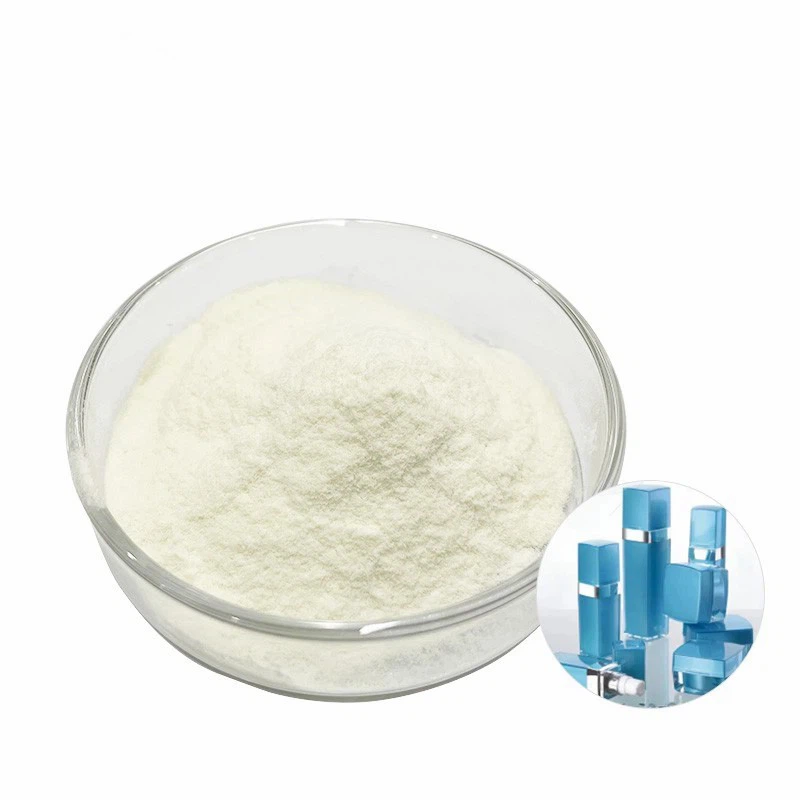
As a supplier, I offer various forms of Beta Glucan 1316, including Yeast Beta Glucan Tablet Candy and Yeast Glucan Powder. These forms are convenient for consumption and can be easily incorporated into a daily routine.
The Yeast Beta-glucans we provide are derived from high - quality sources and undergo strict quality control measures to ensure their purity and efficacy. Whether you prefer the ease of taking a tablet candy or the flexibility of using a powder, we have options to meet your needs.
Future Research Directions
While the potential of Beta Glucan 1316 in the treatment of ear infections is promising, more research is needed. Future studies should focus on conducting well - designed clinical trials specifically targeting ear infections. These trials should evaluate the effectiveness of different doses of Beta Glucan 1316, its optimal route of administration (e.g., oral, topical), and its long - term safety.
Additionally, research on the combination of Beta Glucan 1316 with other natural or synthetic substances for the treatment of ear infections could lead to more effective treatment strategies. Understanding the precise mechanisms by which Beta Glucan 1316 interacts with the immune system in the context of ear infections is also crucial for developing targeted therapies.
Conclusion and Call to Action
In conclusion, while there is no conclusive evidence that Beta Glucan 1316 can be used as a standalone treatment for ear infections, its immunomodulatory properties suggest that it may have potential as a complementary therapy. As a supplier of high - quality Beta Glucan 1316 products, we are committed to providing the scientific community and consumers with the best possible information about this natural compound.
If you are interested in learning more about Beta Glucan 1316 or are considering it for potential use in treating ear infections, we encourage you to contact us for more information. We can provide you with detailed product specifications, safety data, and pricing. Engage in a procurement discussion with us to explore how Beta Glucan 1316 could fit into your treatment or prevention strategies.
References
- Brown GD, Gordon S. Innate immune recognition of β-glucan. Immunity. 2003;19(3):311 - 315.
- Vetvicka V, Ross GD. Therapeutic applications for β-glucans. Ann N Y Acad Sci. 2005;1030:334 - 344.
- Jolles S, Czop JK. The role of complement in the biological properties of yeast cell walls and β-glucans. Semin Immunol. 1992;4(2):103 - 111.
- Di Luzio NR. The immunopharmacological properties of β-1,3 - D - glucans. Ann N Y Acad Sci. 1985;443:255 - 267.