

Hey there! I'm a supplier of glucan, and today I want to have a chat with you about whether glucan is sustainable to produce.
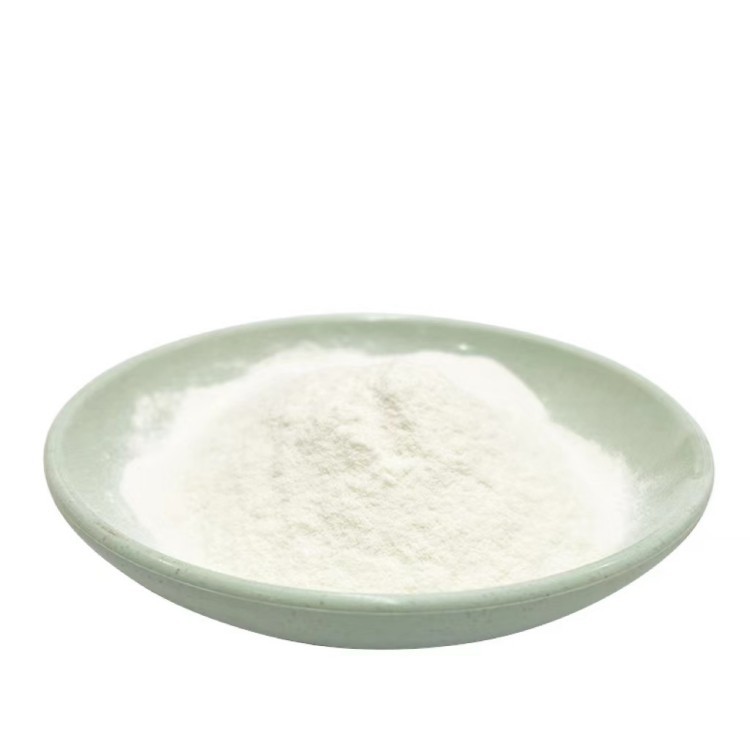
Let's start by understanding what glucan is. Glucan is a type of polysaccharide, which is basically a long - chain carbohydrate. It's found in various sources like yeast, fungi, bacteria, and some plants. There are different types of glucans, such as Nutritional Yeast Beta Glucan, Yeast Beta - glucans, and Beta 1 3d Glucan. These glucans have a bunch of health benefits, like boosting the immune system, reducing cholesterol, and even having potential anti - cancer properties.
Now, let's get into the nitty - gritty of its production. One of the most common sources for glucan production is yeast. Yeast is a microorganism that's super easy to grow. You can think of it like a little factory that can be set up almost anywhere. It doesn't need a huge amount of land like some crops do. You can grow yeast in large fermentation tanks, which are basically big containers where the yeast can multiply and produce glucan.
In terms of resources, yeast doesn't need a lot of water compared to traditional agricultural products. It can thrive in a controlled environment, and the water used in the fermentation process can often be recycled. This is a great plus when it comes to sustainability, as water is becoming an increasingly scarce resource around the world.
Energy consumption is another important factor. The fermentation process for yeast - based glucan production does require energy to maintain the right temperature, pH, and other conditions. However, modern fermentation technologies are becoming more energy - efficient. For example, some facilities are using renewable energy sources like solar or wind power to run their fermentation tanks. This not only reduces the carbon footprint but also makes the production more sustainable in the long run.
When it comes to waste management, yeast fermentation produces some by - products. But these by - products aren't necessarily waste. They can be used in other industries. For instance, the leftover yeast biomass can be used as animal feed, which closes the loop in the production process and reduces waste.
Another aspect to consider is the impact on biodiversity. Since yeast is grown in a controlled environment, there's minimal impact on natural habitats. Unlike large - scale agriculture, which can lead to deforestation and loss of wildlife habitats, yeast - based glucan production doesn't pose such a threat.
However, it's not all sunshine and rainbows. There are still some challenges in ensuring the sustainable production of glucan. One of the issues is the sourcing of raw materials for the yeast growth medium. Some of the nutrients that yeast needs, like nitrogen and phosphorus, often come from chemical fertilizers. These fertilizers can have a negative impact on the environment if not managed properly. They can lead to water pollution and eutrophication in nearby water bodies.
To address this, some glucan producers are looking into more sustainable ways of sourcing these nutrients. For example, they're exploring the use of organic waste materials that are rich in nitrogen and phosphorus, such as food waste or agricultural residues. This not only reduces the reliance on chemical fertilizers but also helps in waste management.
Another challenge is the competition for resources. As the demand for glucan increases, there might be more competition for things like energy, water, and raw materials. This could potentially lead to an unsustainable situation if not managed carefully.
But overall, I believe that glucan production can be sustainable. With the right technologies and management practices, we can overcome these challenges. For example, continuous research and development are leading to more efficient fermentation processes, better waste management strategies, and more sustainable raw material sourcing methods.
In conclusion, while there are some hurdles to overcome, the production of glucan has great potential for sustainability. As a glucan supplier, I'm committed to promoting sustainable production methods. We're constantly looking for ways to reduce our environmental impact and make the production process more efficient.
If you're interested in learning more about our glucan products, or if you're looking to purchase glucan for your business, I'd love to have a chat with you. Whether you're in the health supplement industry, the food industry, or any other field that can benefit from glucan, we've got the right products for you. Reach out to us to start a conversation about your specific needs and how we can work together.
References

- Various research papers on fermentation technology and sustainable production of microorganisms
- Industry reports on the health benefits and market trends of glucan
- Studies on the environmental impact of agricultural and fermentation - based industries


